Bringing back biodiversity
in the North Sea

What is the problem?

Over the past 50 years, the biodiversity of the Belgian and Dutch North Sea has been negatively impacted by overfishing, pollution, habitat loss due to coastal development, and climate change. This has led to a decline in fish populations, changes in species composition, and degradation of vital habitats.

Facilitating the return of biodiversity in the North Sea is crucial for maintaining ecological balance, supporting fisheries, and enhancing the resilience of marine ecosystems against climate change.

Innovative solutions

Many nature-inclusive designs and artificial reef structures to bring back biodiversity in the North Sea (at the Belgian and Dutch coastlines) have been lab tested and approved. The next challenge is to get these solutions implemented on a larger scale. 

This experimental pilot phase is in need of support, as regulations and initiatives are lagging behind. That’s why Go Ocean and its members want to facilitate and accelerate the implementation of the pilot projects. 

Both the delivered biodiversity enhancement and the associated ecosystem services will quantitatively be recorded to assess, analyze, illustrate, and disseminate the ecosystem values of the innovative solutions.

Offshore flat oyster reef restoration

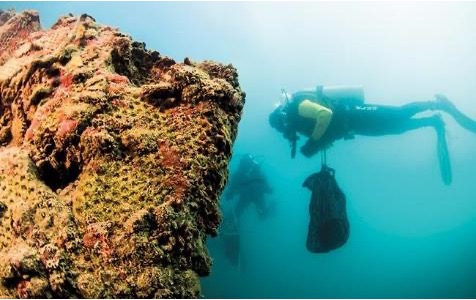
Before 1850, European flat oyster (Ostrea edulis) reefs were a dominant structural and ecological feature of the North Sea. Due to human impact and the spread of a persistent oyster parasite, these reefs have now nearly disappeared.

This project, which is called BELREEFS, aims to restore these reefs in the Belgian part of the North Sea.

These projects are consortium collaborations for biodiversity or nature restoration solutions at the Belgian and Dutch coastline / North Sea. The projects should secure the marine ecosystem benefits that we’re all dependent on: carbon sequestration, oxygen production, temperature regulation, food chain security…

Installation of the first oyster substrates in the BELREEFS patch.
Call for funding, per batch of oysters.
Installation of the first oyster substrates in the Go Ocean oyster reef patch.
Summer 2025
Ongoing, until October 2025
Summer 2026

These projects are consortium collaborations for NID or NBS pilot solutions at the Belgian and Dutch coastline / North Sea. Every project delivers multiple benefits, ranging from biodiversity enhancement to coastal protection and more.

Nature-inclusive harbor dam

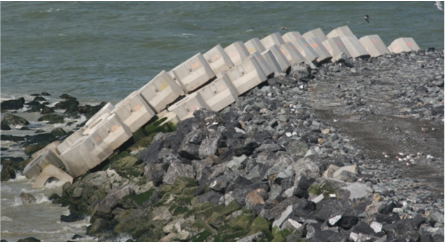
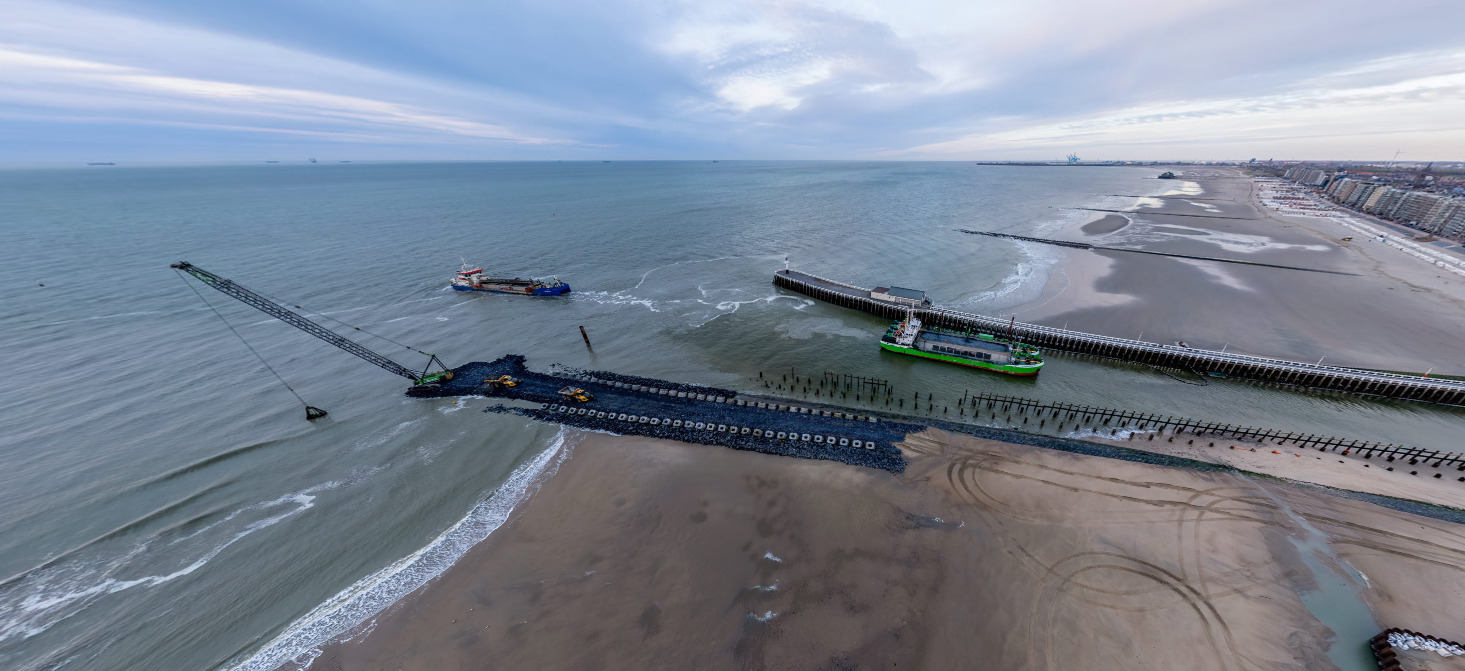
The new harbor dam is built not only with the traditional concrete Haro blocks but also with 40 ECOncrete Haro blocks. These ecological and nature-inclusive alternatives meet marine-grade concrete standards and are designed to promote ecological responsibility by fostering marine life.

Go Ocean clients who adopt these nature-inclusive units are invited to the project site and will be informed of the monitoring results throughout the following five years.

First round of fundraising (pre-financing).
Installation of the nature-inclusive units in the harbor dam.
Second round of fundraising (adoption).
2024
Beginning of 2025
2025

Biogenic mussel reefs as coastal protection

For the “Musselshakers” project in collaboration with Coastbusters, we are building on previous insights to develop biogenic reefs in the North Sea, to reduce coastal erosion while strengthening the biodiversity and robustness of our beaches. In other words, better protecting what we want to preserve on our coast.

This project is looking for support to install 5 to 6 Musselshakers to create a first patch of mussel reef. 

These projects are consortium collaborations for NID or NBS pilot solutions at the Belgian and Dutch coastline / North Sea. Every project delivers multiple benefits, ranging from biodiversity enhancement to coastal protection and more.

Research phase, pilot test, and optimization of the initial design.
Call for funding, per Musselshaker.
Installation of 5 to 6 Musselshakers.
2017 - 2025
2025
Q2 of 2026

These projects are consortium collaborations for biodiversity or nature restoration solutions at the Belgian and Dutch coastline / North Sea. The projects should secure the marine ecosystem benefits that we’re all dependent on: carbon sequestration, oxygen production, temperature regulation, food chain security…

Flat oyster reintroduction

The project utilizes innovative DOS technology, deploying structures embedded with living European flat oysters at a depth of 30 meters. This pilot project, placement in October 2024, was conducted at two specific locations within the Borssele wind farms 1&2.

Call for funding.
Deployment of structures.
Monitoring for 8 years.
2024
October 2024
2024-2031

Explore the impact platform

Via the Go Ocean impact platform, every project can be followed up transparently. As a company, you can choose to have your own company impact dashboard to track your personal positive impact.

Need more information?

Would you literally invest in the building blocks of a healthier North Sea, or do you prefer to support one of the other projects?

We are looking for companies that want to be part of these crucial pilot projects in exchange for reporting via a personal impact dashboard. Leave your contact details and we will send you more information!